 RenoPlan
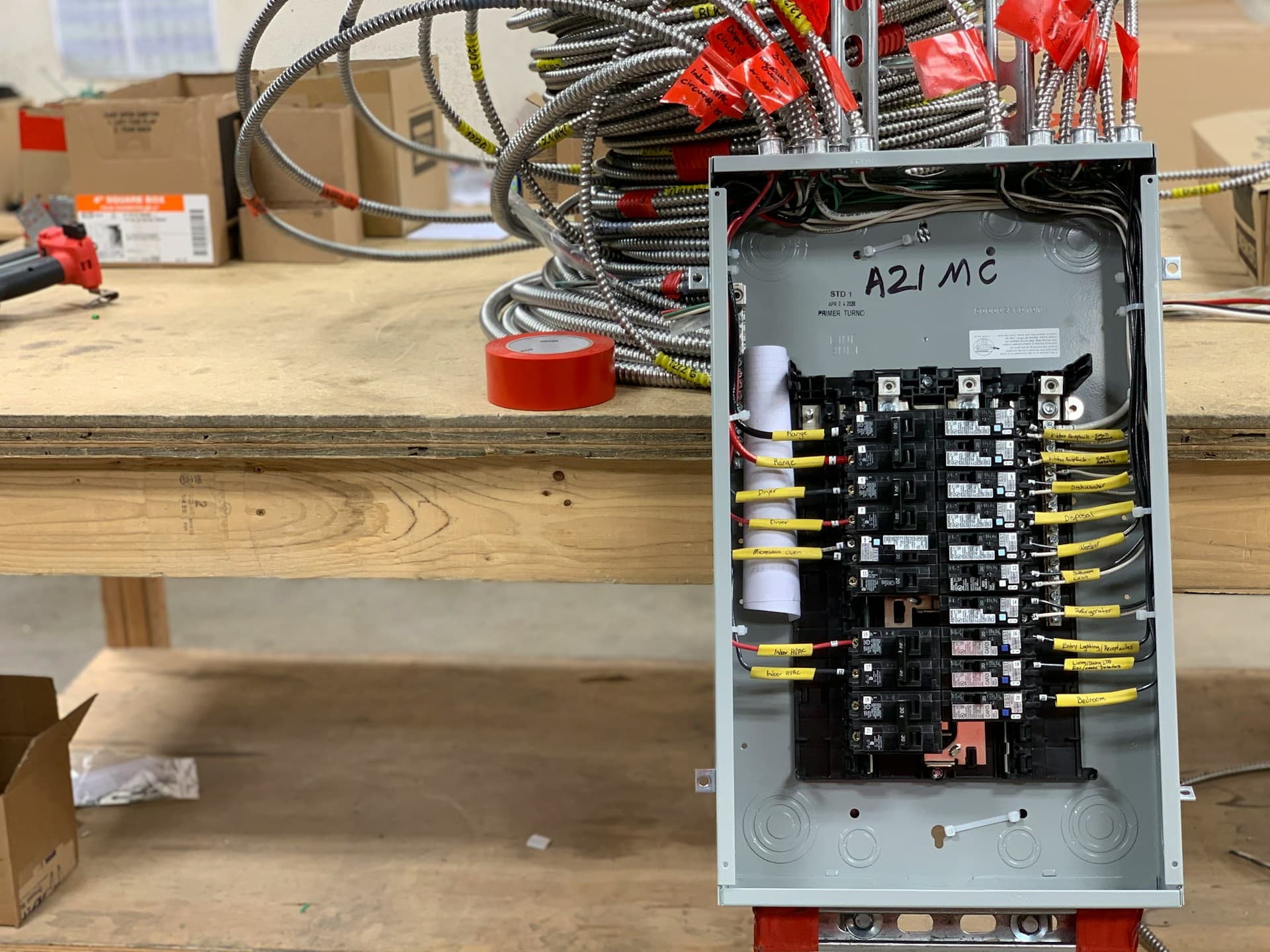
The electrician leaves, the certificate is signed, and the room looks worse than when they arrived: channels cut into every wall, floorboards up, holes where the old fittings sat. In the UK this moment has a name — making good — and a place on the quote that, more often than not, isn't yours. In the US the same work goes by plainer names: patching, drywall repair after demo, repaint and texture. Either way it's a real stage with a real cost, and it's the part of a renovation budget most often discovered rather than planned.
This guide prices it the way you'll actually meet it: scenario by scenario. The full walk-through is the rewiring case (the UK phrasing, where the term comes from); after that, the shorter versions — plumbing, tile removal, kitchen strip-out — with the phrasing and figures used in the US where the job happens there.
The rewiring scenario: what "making good" covers
A rewire is a controlled demolition of your finishes. Chases are cut into plaster for new cable runs, back-boxes are set deeper into walls, floorboards are lifted to route runs under them, and ceilings take holes for new downlight positions. The electrical work ends — correctly — with all of that open: an inspector needs to see it before anything is closed.
Making good is everything that closes it back up:
- Filling the chases and back-box voids with filler or bonding plaster.
- Patching or re-boarding damaged plaster and ceiling areas.
- Skimming patched walls so they match their surroundings.
- A mist coat on fresh plaster, then the final decoration.
Who does it: usually not the electrician. UK rewire quotes run to first fix — cables in, surfaces open — and making good sits with a plasterer and then a decorator. This division is why homeowner threads about rewiring almost always drift into costing the aftermath: a MoneySavingExpert thread titled "Plastering cost after rewire?" is exactly that conversation, and a Mumsnet plastering discussion quotes "making good after rewiring" as a normal line on a builder's itemisation.
What it costs (UK figures, separately stated): published UK cost data prices the closing-up work by area, not by scenario. ScopeWise's 2026 replastering guide puts a skim of an average room's walls and ceiling at £500–£750, a whole three-bed house at £4,500–£8,000, and board-and-skim work on poor walls at £28–£60 per m² — and it is explicit about the boundary: those figures run "before making good and decoration," naming making good as a cost driver that sits outside the skim price. For a rewired room, read that as: the skim is one line, chase-filling and decoration are others on top. None of it is part of the electrician's number.
What's typically excluded from every quote in the chain: final decoration (the decorator's line, not the plasterer's), matching an existing paint colour or texture exactly, moving furniture and protecting floors, and any surprises the opened wall turns out to contain — a rewired 1950s house hides more than the chases, and what the walls reveal is a contingency matter, not a making-good line.
The same job in US terms: patching after demo
Americans meet identical damage after an electrician or plumber runs new circuits or lines, and price it through the drywall-repair system. Homewyse's September 2026 cost data puts a professional drywall repair at $303–$481 per repair nationally — cut and fit the patch, tape and mud, sand to finish-ready — with repainting as a separate option and the fine print explicitly excluding things homeowners assume are included: framing changes, molding, general-contractor supervision (add 13–22% if a GC runs the job) and any hazardous-material work.
The US-specific cost driver worth knowing before you approve a quote: texture matching. A flat patch is the cheap part; making a stippled, orange-peel or knockdown ceiling look like it was never opened is skilled finishing work, and it's where per-repair quotes most often grow after the fact. Like the UK version, the patch line rarely includes the paint.
The other triggers, briefly
After plumbing work (the US phrasing)
Plumbers open ceilings and walls for supply and drain runs, then leave access that has to disappear. Homeowners search this as drywall ceiling repair or wall patching after plumbing — same Homewyse per-repair economics as above, with one addition: a ceiling patch is slower and more visible work than a wall patch, because it works overhead and must blend into a large unbroken plane. What the quotes exclude is again the finish: paint the entire ceiling, not just the patch, if you don't want the patch to announce itself under most light.
After removing tiles (the UK phrasing)
Tiles come off walls in kitchens and bathrooms and leave adhesive ridges, blown plaster and sometimes holes to brick. The UK how-to side is well served — Argon Contractors' guide to repairing plaster after tile removal walks the whole assess-patch-skim sequence — but it prices nothing, and the trade-platform question ("cost to hack off and replaster" a room, asked on MyBuilder) is where homeowners actually go for numbers. The honest shape of the answer is qualitative: shallow adhesive residue needs a fill and skim; large blown areas mean hacking off and re-plastering, which prices closer to ScopeWise's board-and-skim rates than to a patch. Which of those you've got isn't knowable until the tiles are off — budget the range, not the hope.
After a kitchen strip-out (the US phrasing)
Cabinets come out and take the wall's story with them: unpainted shadows where units hung, patchy plaster behind tile backsplashes, a flooring gap where the base cabinets stood. US homeowners ask this literally — r/HomeImprovement threads on "how to treat uneven walls after removing kitchen cabinets" and finishing flooring after removing a base cabinet are the unmet demand in the flesh. The cost shape: expect the walls-and-paint work of a full room even though you only removed furniture, because the finish must now be continuous where it never was before. It's the same arithmetic that makes mid-project changes expensive: the room has to end up whole, whatever was opened to get there.
What actually drives the cost
Across both markets and every trigger, the same few variables set the price:
- How much surface was opened, and whether it's wall or ceiling — ceilings cost more per square metre to close.
- Which wall system you have. UK plaster on masonry can mean chasing-filling, patching and skimming as separate skills; US drywall is faster to patch but adds texture matching.
- Whether the finish must match its surroundings. A fresh full-room skim is simple; invisible blending into an existing decorated wall is the skilled (and slower) version.
- Where decoration sits. In both markets, the final paint is almost always a separate line — from a separate trade.
- What the opened wall reveals. Making good returns surfaces to their pre-work state; it does not price the surprises behind them. Those belong to a contingency reserve sized before the work starts.
Where it sits in your budget
Treat making good as the closing half of the stages that opened: if electrical or plumbing work is in scope, the walls, ceiling and paint stages aren't optional extras — they're how the room ends up whole. That's also the phasing trap worth naming: closing a surface once is the job; closing it twice because work was split across phases is the most expensive way to make good that exists.
If you want those stage costs as ranges rather than guesses, RenoPlan's calculator prices a renovation stage by stage from your description and market rate data — the wall, ceiling and paint stages are literally where making good lives, each with separate labor and materials ranges. You won't find a line item called "making good" (that's trade shorthand, not a stage); you'll find the cost of closing the surfaces back up, which is the same money. It's a planning range to take into quotes — the starting point for asking an electrician where their price stops and a plasterer's begins.