 RenoPlan
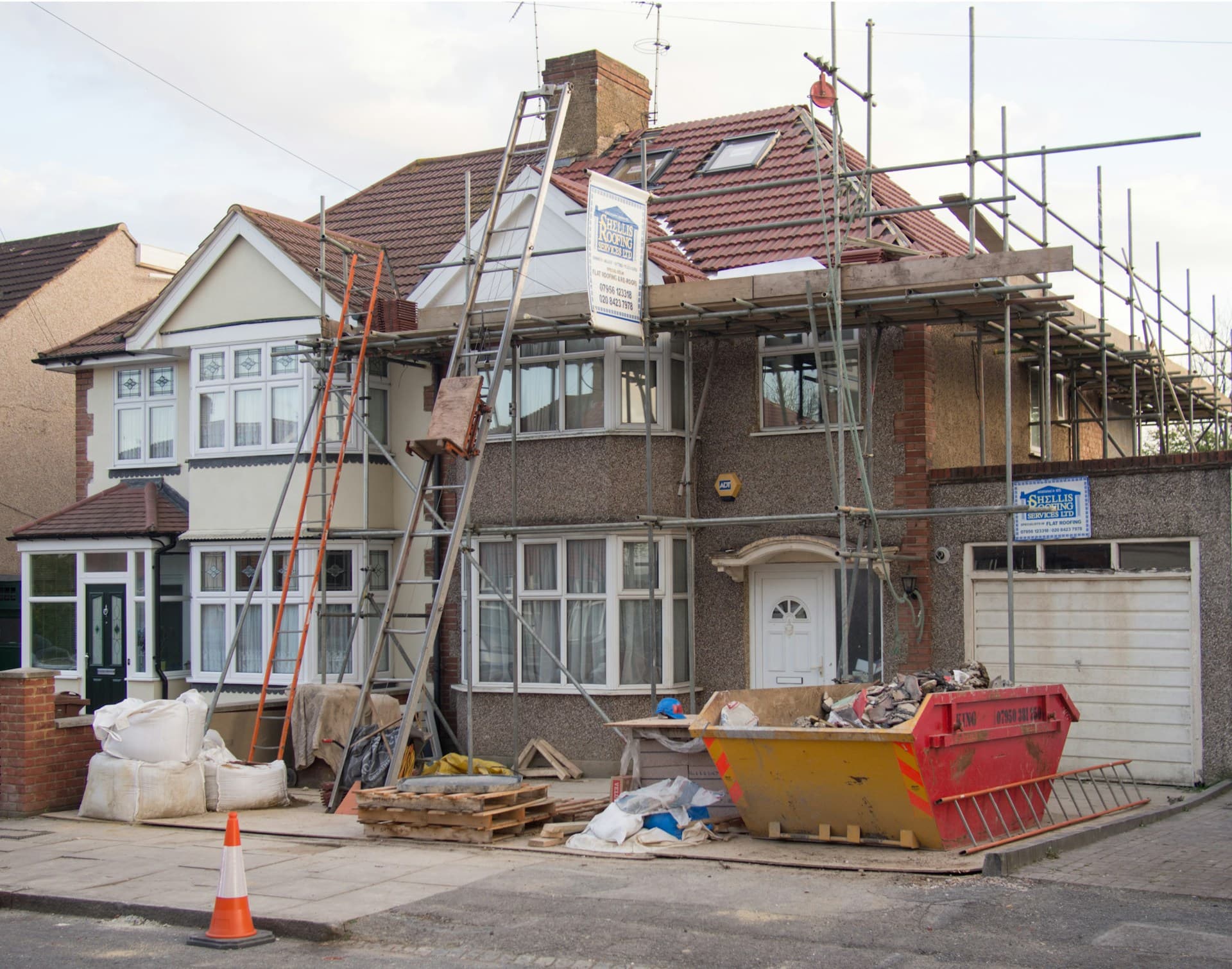
"Since the wall's open anyway, could we…" is how most renovation budgets actually die. Not with one dramatic overage, but with a series of small, individually reasonable additions made mid-project, each priced after the fact. By the final invoice, the job looks nothing like the quote — and nobody can point to the moment it changed.
This guide is about that gap. What mid-project changes actually cost, why the same change costs more in week three than it would have in the planning stage, which renovation stages are most expensive to change, and the rules that keep the difference between a managed adjustment and a drifting budget.
Three kinds of mid-project change — and why the difference matters
Every change that shows up after work starts is one of three things:
- A discovery. The subfloor is soft, the wiring fails inspection, a leak has been quietly rotting a joist. Nobody chose this; the house revealed it. This is what a contingency reserve exists for — money set aside precisely because it can't be priced in advance.
- An upgrade. The stone instead of laminate, the extra pendant, the wider opening. A choice, made by you, usually mid-project when everything feels urgent. It deserves a price and a decision — not an automatic draw on the reserve.
- Drift. The accumulation of small approvals that never get priced as a group: a fixture swapped here, a coat of paint changed there, a "small" extra task absorbed into someone's day. Individually invisible, collectively the reason the final invoice surprises.
The distinction matters because each kind has a different funding source — the reserve, your discretionary budget, and (if you let it happen) no budget at all. Budgets break fastest when the three get mixed: upgrades quietly consumed the contingency, discoveries then had nowhere to come from, and drift was never anyone's line to defend.
Why the same change costs more mid-project
A change that would have been one line on the original quote becomes several costs once work is underway:
- Reopening finished work. Adding a circuit after drywall is up means paying to open the wall, do the work, and close it again — three costs where one existed at planning time. This is the core arithmetic of creep: the same wall gets paid for twice, a pattern that also shapes phasing decisions.
- Remobilization. A trade that already left has to return — with a minimum call-out, for a job half the size of the original visit.
- Rescheduling. Trades run in sequence; one change pushes the ones behind it. In busy seasons the next slot may be weeks out, and living in a construction zone costs more the longer it lasts.
- Change-order pricing. An approved change typically carries the extra materials and labor plus a markup — legitimate, but it means mid-project prices are structurally higher than planning-stage prices. US contractor guide GreatBuildz cites studies putting change orders at roughly 10–15% of contract value; treat any such figure as an order-of-magnitude warning rather than a budget line.
- Decision latency. An unpriced "we'll decide later" isn't free either — it stalls the trade waiting on the answer, and hurried decisions made in a dusty kitchen tend to be expensive ones.
None of this means changes are forbidden. It means a change approved mid-project should be priced honestly — with the reopening, remobilization and markup included — before you say yes.
Stage by stage: where changes hurt most
Creep risk isn't uniform — it depends on where in the sequence the change lands. The stages below are the same ones a stage-by-stage breakdown uses.
Demolition and prep
- Changing here: cheapest point in the whole project — nothing is closed yet, so scope adjustments cost little beyond the revised work itself.
- The trap: this stage is also where discoveries surface, and it's easy to misread them as invitations. A rotted joist is a contingency event, not an upgrade opportunity.
Electrical
- Changing here (early): adding circuits before rough-in is just more wiring.
- Changing here (late): after walls close, a lighting change means reopening, rewiring, re-mudding, repainting — and in permitted work, re-inspection. Among the most expensive places to change your mind.
Plumbing
- Changing here (early): relocating a fixture before rough-in is priced like normal work.
- Changing here (late): moving a drain after tile is down reopens the floor and risks the new work around it. Post-rough-in plumbing moves are classic four-figure decisions.
Walls and paint
- Changing here: paint is the cheapest thing in the project to change late. Walls are the opposite: moving one after rough-ins is structural rework, not decoration. Creep here hides in the difference between "repaint" (cheap) and "rebuild" (not).
Ceiling
- Changing here: a lighting-layout change after drywall is the electrical trap again, from a different angle. Decide fixture positions before the ceiling closes.
Flooring
- Changing here: upgrading the material after subfloor is in usually costs only the price difference — unless the new material needs a different subfloor preparation, which quietly reopens the stage.
Fixtures and finishes
- Changing here: the cheapest stage to change and, not coincidentally, where creep accumulates most. Every fixture postponed for later choosing is an invitation to upgrade mid-project. Finishes chosen before demolition are the cheapest form of creep prevention there is.
The pattern across all seven: changes are cheap while a stage is open, expensive once it's closed, and most creep happens in the late stages precisely because earlier decisions were postponed.
The rules that keep creep priced
Four habits, all set up before demolition:
- Close decisions early. Choose finishes, fixture positions and layouts before work starts. A "decision calendar" — which choice locks when — is the single highest-leverage anti-creep tool, because it removes the mid-project vacuum where creep grows.
- Price before approval. Every change gets a stated price and schedule impact before work proceeds — in writing; an email is fine. "Approve now, see the price later" reversed.
- Separate the three wallets. The contingency covers discoveries only. A small, named discretionary budget covers genuine wants. Drift gets no wallet — it gets priced as change orders like everything else.
- Give every yes a night's sleep. A 24-hour rule for non-urgent changes costs a day and saves the upgrades that fatigue would otherwise greenlight. Old houses amplify all of this — what crews find when they open the walls is where discovery money goes, and it deserves a reserve untouched by upgrades.
If you want the baseline every change should be measured against — what your project actually includes, stage by stage, with labor and materials as a range rather than a guess — RenoPlan's calculator builds it from your description and market rate data. It's a planning baseline, not a quote, and it's the difference between judging a mid-project change against your real scope and judging it against a feeling.